.svg)
Egypt Signs Singapore Convention on Mediation, Strengthening Commitment to Cross-Border Dispute Resolution
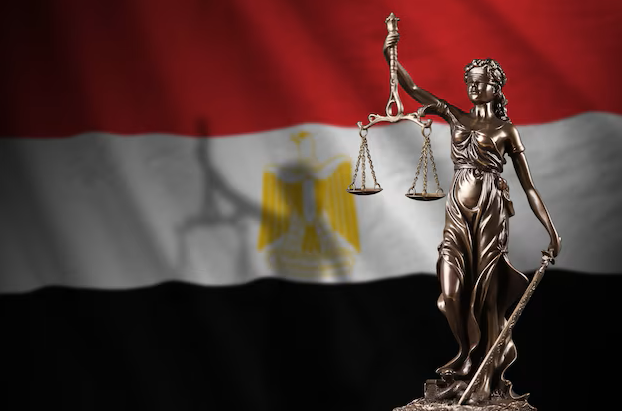
Egypt has signed the United Nations Convention on International Settlement Agreements Resulting from Mediation, widely known as the Singapore Convention on Mediation, marking a significant step in the country’s engagement with international commercial dispute resolution frameworks.
The signing took place at the United Nations Headquarters in New York on 13 January 2026, according to the United Nations Information Service. With this move, Egypt becomes the 59th signatory to the Convention, which currently counts 20 State Parties.
Adopted under the auspices of the United Nations Commission on International Trade Law (UNCITRAL), the Singapore Convention establishes a harmonized legal framework that allows parties to invoke and enforce international settlement agreements resulting from mediation across borders. The Convention is designed to place mediated settlement agreements on similar footing to arbitral awards under the New York Convention, addressing a longstanding enforcement gap in international mediation.
By facilitating the cross-border enforcement of mediated settlements, the Convention aims to promote mediation as an effective, efficient, and commercially viable alternative to litigation and arbitration, particularly in international trade and investment disputes. Its framework applies to international settlement agreements concluded through mediation to resolve commercial disputes, offering businesses greater legal certainty and predictability.
Egypt’s signature signals growing regional engagement with mediation as part of the broader international dispute resolution ecosystem. While signature alone does not make the Convention legally binding, it reflects a formal intention to consider ratification or accession, a step that would allow mediated settlement agreements falling under the Convention to be enforced within the national legal system.
The Convention remains open for signature, ratification, acceptance, approval, or accession by States and regional economic integration organizations. Up-to-date information on its status is available through UNCITRAL.
UNCITRAL, the core legal body of the United Nations system in the field of international trade law, is mandated to modernize and harmonize global trade law. Its work spans key areas including international commercial dispute settlement, electronic commerce, insolvency, transport law, procurement, and infrastructure development.
.svg)
مركز الابتكار، المستوى 1،
جيت أفينيو - المنطقة الجنوبية
مركز دبي المالي العالمي
دبي، الإمارات العربية المتحدة
info@mediationhub.ae